Division of Public Policy, HKUST

Policy divorced from historical context risks repeating old failures under new names.

The History and Policy Research Group examines the intersections of historical knowledge and contemporary policy challenges in Asia. It treats the past not as distant archive but as active resource for understanding present dilemmas.

About

The History and Policy Research Group (HPRG) examines the intersections of historical knowledge and contemporary policy challenges in Asia. The HPRG treats the past not as distant archive but as active resource for understanding present dilemmas. We work from the premise that policy divorced from historical context risks repeating old failures under new names.

Objectives

01

To produce rigorous historical analysis that speaks directly to current policy debates in Asia, bridging the gap between scholarly research and practical governance.

02

To demonstrate how historical patterns, precedents, and ruptures can illuminate the structural conditions shaping today’s policy landscape.

03

To foster critical discourse that challenges ahistorical approaches to policy, showing how seemingly technical decisions carry long genealogies of power, knowledge, and social organization.

04

To build collaborative networks among historians, policymakers, and publics who recognize that meaningful policy requires historical literacy.

05

To expand the geographical and thematic scope of historically informed policy research across Asia, moving beyond single-nation frameworks toward comparative and transnational perspectives.

People

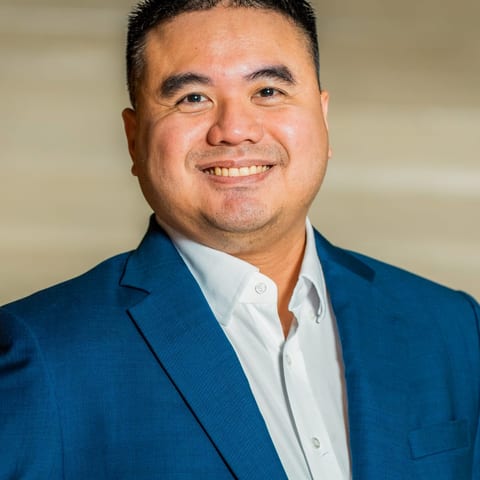
Headshot of Nicolo Ludovice
Nicolo Ludovice
Director
View profile +Close profile −

Historian of science, technology, and medicine and public policy scholar at HKUST, working on animals, food, health, and environment in the Philippines and Southeast Asia. Head of the History and Policy Research Group.

Vincent Bernabe
Research Assistant
View profile +Close profile −

Vincent Bernabe is a Research Assistant at the Division of Public Policy, Hong Kong University of Science and Technology. His research examines the intersection of health and post-conflict reconstruction, with a particular focus on the history of post-World War II health systems rehabilitation in the Philippines. His broader research encompasses the social and historical study of life and biomedical sciences across the twentieth and twenty-first centuries, focusing on materiality, biochemistry and metabolism, and biotechnology.

Changmu Yan
Postgraduate Student Assistant
View profile +Close profile −

Changmu Yan is a Master of Public Policy student at the Hong Kong University of Science and Technology. His research focuses on health system reconstruction, health governance, alongside with their political and policy ramifications in fragile and post-conflict settings. His work aims to produce evidence-based recommendations to improve health policy design and delivery in conflict-affected contexts.

Projects

The group’s funded work. New projects appear here as they begin.

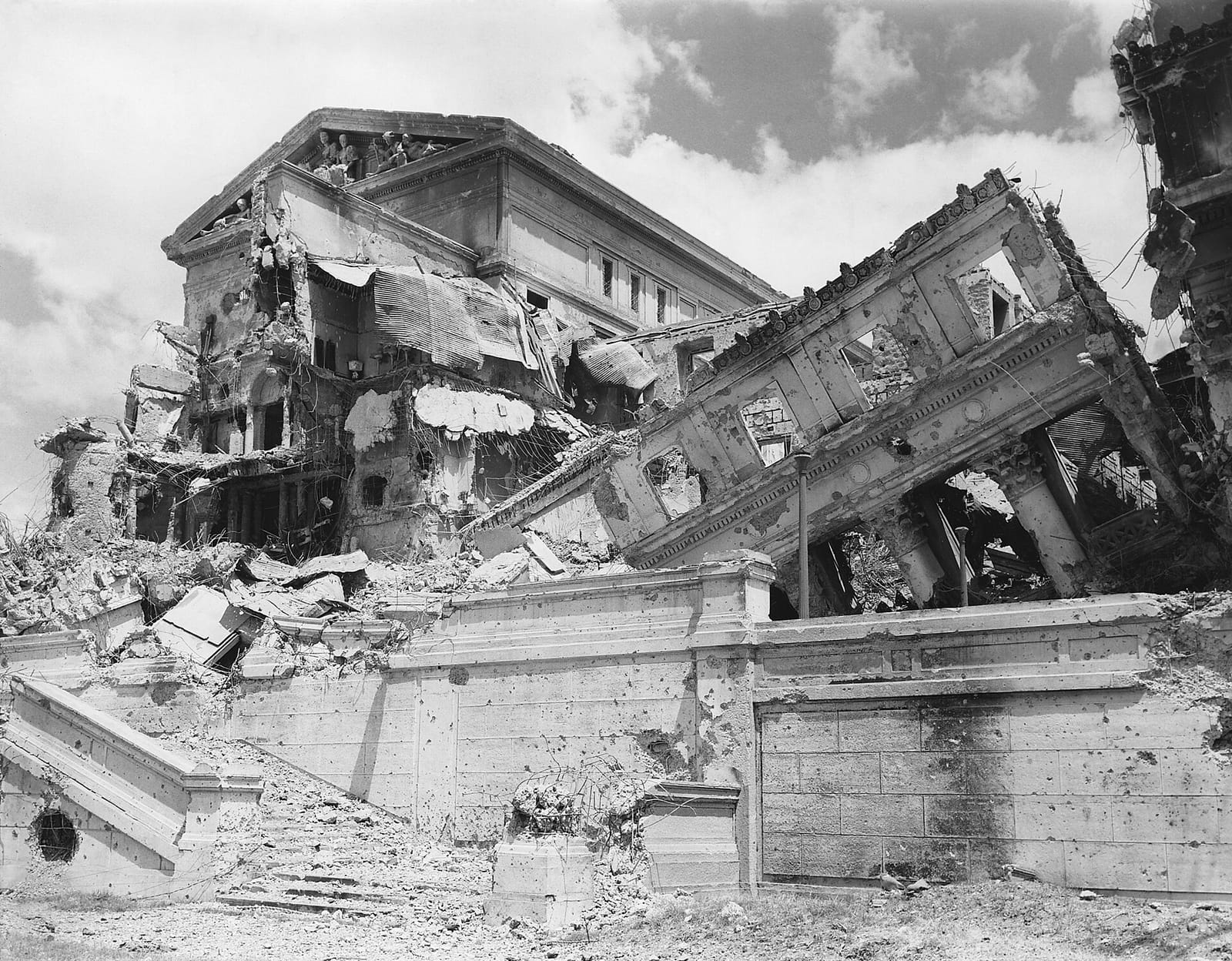
Ruins of the Legislative Building, Manila, 1945

U.S. National Archives and Records Administration, public domain, via Wikimedia Commons

OngoingHPRG

Post-Conflict Reconstruction of the Health Sector in the Postwar Philippines, 1946-1953

Hong Kong Research Grants Council, General Research Fund (RGC-GRF)
Principal investigator  ·  2026 to 2027

This project will investigate the post-conflict reconstruction of the health sector in the postwar Philippines from 1946 to 1953, focusing on the Philippine Rehabilitation Act of 1946 and its broader implications for health systems. Following the devastation of the Second World War, the Philippines faced a public health crisis, with widespread disease and malnutrition and its infrastructure in ruins.

Read the full description

The U.S.-sponsored Rehabilitation Act allocated significant financial and material aid to rebuild the country’s healthcare system, including hospitals, medical supplies, and training for health professionals. The proposed project will explore the interactions between international donors, the central government, local governments, and non-state actors in this context, revealing how foreign aid, driven by geopolitical interests and complicated by the fragmented geography of the archipelago and socio-political conditions, shaped public health policies and outcomes in the postwar period.

The project will employ archival research, drawing from both U.S. and Philippine sources, and integrate qualitative and quantitative analyses to assess the effectiveness of postwar health interventions.

The project’s broader contribution will lie in its historiographical analysis of how post-conflict health reconstruction in the Philippines intersected with larger political, economic, and socio-cultural systems. By situating this reconstruction within the larger context of international aid and local cultural practices, the study will highlight the tensions between global health priorities and local needs. This research will also provide critical insights into how post-conflict policies contributed to long-term health disparities in this setting, offering valuable lessons for contemporary post-conflict health rebuilding efforts in other regions.

Contact

Contact the group.

For questions about the group and its research, write to nludovice[at]ust.hk

Email the group