← All research
OngoingHPRG

Post-Conflict Reconstruction of the Health Sector in the Postwar Philippines, 1946-1953

Hong Kong Research Grants Council, General Research Fund (RGC-GRF)Principal investigator2026 to 2027

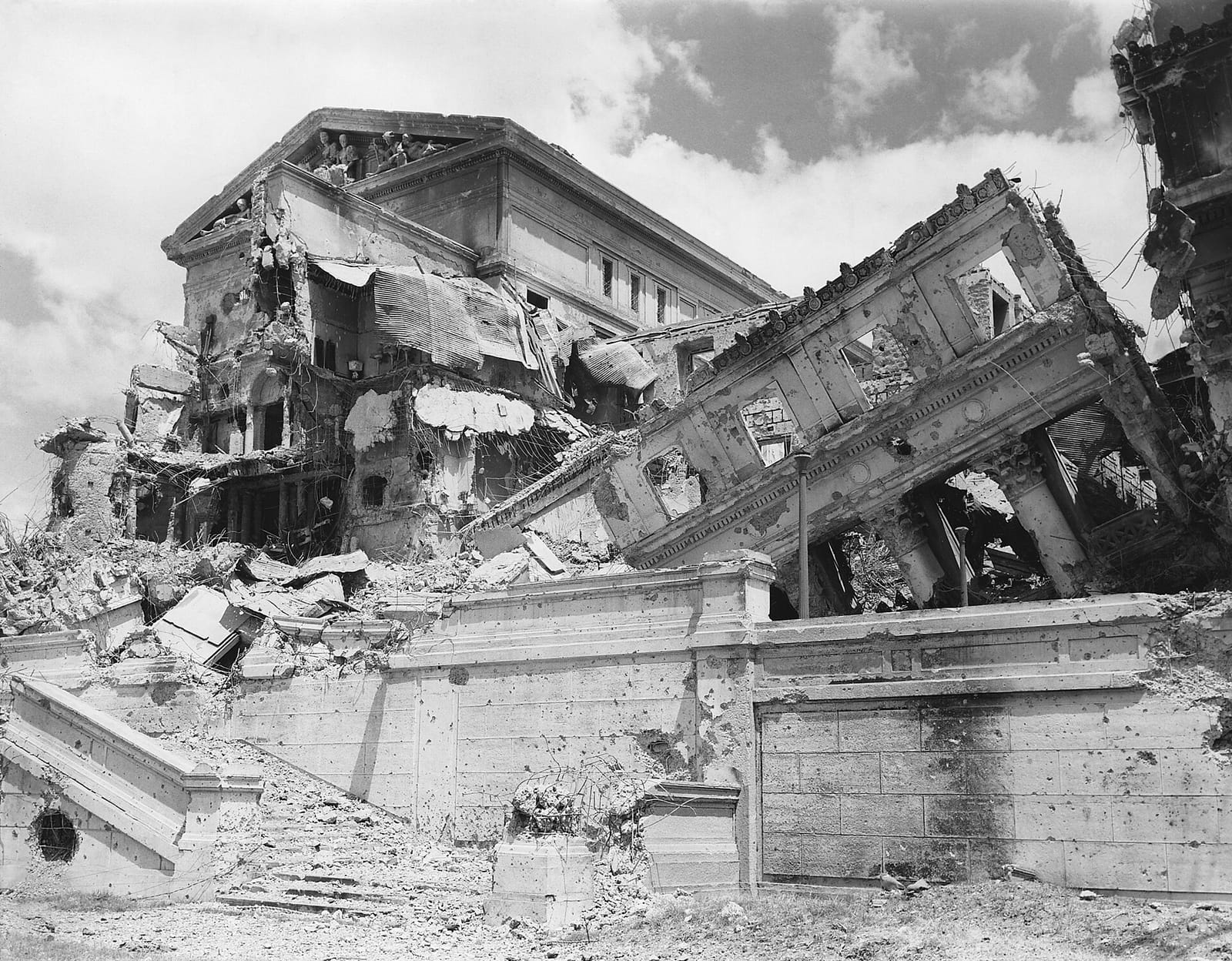
Ruins of the Legislative Building, Manila, 1945

U.S. National Archives and Records Administration, public domain, via Wikimedia Commons

About the project

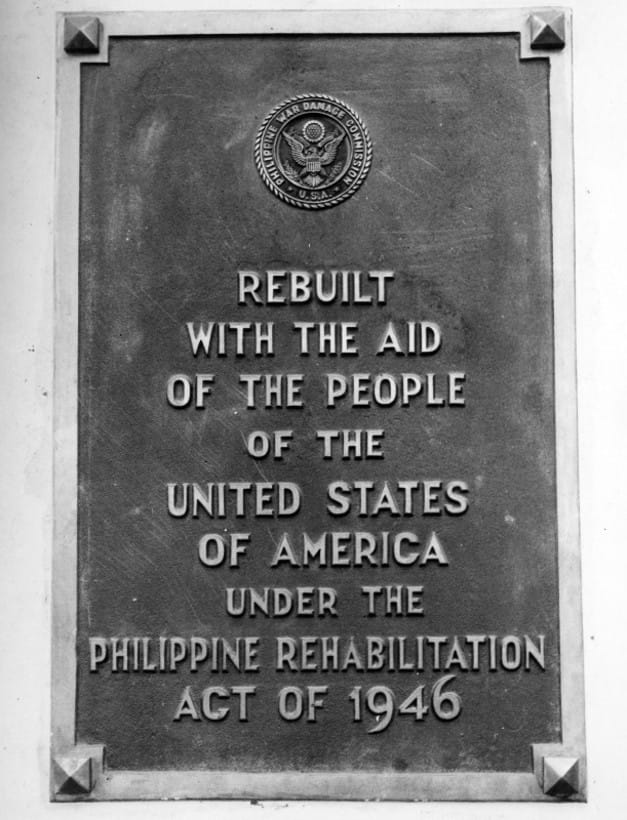
This project will investigate the post-conflict reconstruction of the health sector in the postwar Philippines from 1946 to 1953, focusing on the Philippine Rehabilitation Act of 1946 and its broader implications for health systems. Following the devastation of the Second World War, the Philippines faced a public health crisis, with widespread disease and malnutrition and its infrastructure in ruins. The U.S.-sponsored Rehabilitation Act allocated significant financial and material aid to rebuild the country’s healthcare system, including hospitals, medical supplies, and training for health professionals. The proposed project will explore the interactions between international donors, the central government, local governments, and non-state actors in this context, revealing how foreign aid, driven by geopolitical interests and complicated by the fragmented geography of the archipelago and socio-political conditions, shaped public health policies and outcomes in the postwar period.

The project will employ archival research, drawing from both U.S. and Philippine sources, and integrate qualitative and quantitative analyses to assess the effectiveness of postwar health interventions.

The project’s broader contribution will lie in its historiographical analysis of how post-conflict health reconstruction in the Philippines intersected with larger political, economic, and socio-cultural systems. By situating this reconstruction within the larger context of international aid and local cultural practices, the study will highlight the tensions between global health priorities and local needs. This research will also provide critical insights into how post-conflict policies contributed to long-term health disparities in this setting, offering valuable lessons for contemporary post-conflict health rebuilding efforts in other regions.

Outputs

2026

Yan, C., Bernabe, V., & Ludovice, N.P.

Why post-conflict health gains often do not last: A systematic review of time horizons and scale in health system reconstruction

Health Policy and Planning.

Post-conflict healthMedicine and healthdoi:10.1093/heapol/czag125
Abstract

Health systems rebuilt after armed conflict often record early gains that do not last, yet the dominant technical frameworks, built on stable and politically neutral assumptions, describe what a health system contains at one moment and cannot explain why reconstruction endures in some places and unravels in others. This systematic review searched four electronic databases for peer-reviewed studies published between 2000 and 2025 on health system reconstruction in post-conflict and conflict-affected settings. After independent screening, 31 studies were synthesised through best-fit framework synthesis, guided by an ecological-temporal framework that combines social-ecological systems theory with Braudel’s distinction between immediate, medium-term, and long-term change. The review tested the framework’s central proposition: that gains last where action at one time horizon or spatial level is matched by action at the others. Three processes recurred, with different strengths of evidence: proactive and collaborative stewardship that aligns fragmented aid with national systems; distributive justice through health care, which links health services to food security, livelihoods, and social protection; and trust repair through networked service delivery that sustains reliable frontline care across conflict lines. Each faltered at the hand-over between horizons: a ministry could not take up coordination as donor involvement grew, a coverage programme built on NGO contracts ended after nearly two decades, and health workers left where pay and protection did not follow. The framework did not anticipate that communities as well as donors would build parallel systems, or that health workers’ decisions to stay or leave would decide whether gains carried forward. Most studies observed reconstruction for three years or fewer, so the evidence records little of long-term change. Restoring pre-conflict arrangements is an inadequate goal where those arrangements distributed care unequally across regions and groups. The review sets out actions matched to each time horizon for governments, donors, and humanitarian agencies.
From the blog

· HPRG

Health Reports are Not Written For You

On March 22, 2020, the Johns Hopkins University Center for Systems Science and Engineering launched what would become the most-consulted scientific resource of the pandemic: a real-time global dashboard tracking confirmed COVID-19 cases, deaths, and recoveries across more than 180 countries (Dong et al., 2020). Within weeks it was drawing tens of millions of daily visitors.

By Nicolo Ludovice

All posts →